The problem

Closing a property still moves at the speed of paperwork.

A conventional transfer runs through brokers, title, escrow, and a bank, then waits on a county office. It takes weeks and skims points off every deal. The same transfer, recorded on rails built for it, is a matter of minutes.

Settlement statement · conventional vs. recorded
Line itemConventional closingREVABlox record
Time to settle30 to 45 daysminutes
Cost of transfer6% to 10% of valuenetwork fee
Intermediariesbroker · title · escrow · bankone programmable record
Smallest positionthe whole asseta fractional interest
Proof of ownershippaper deed, filed downtowncryptographic record
Eligibility to holdchecked by hand, after the factenforced by the asset

Figures describe transaction process and cost, not investment performance.

The structure

Three records, each doing one job.

REVABlox keeps the security separate from the utility separate from the rails. That separation is what keeps the whole thing honest and legal.

Property token · security

The asset

Every property is held by its own legal entity, and its token is the ownership interest in that entity. Who may hold it, meaning verified and accredited investors, is enforced inside the token, not promised in a footnote. A regulated security, by design.

REVAB · utility

The rails

REVAB is the network token. It pays to record a transfer, secures the chain, and governs the protocol. It carries no claim on any property's income. It is the road, never the building on it.

Settlement layer · infrastructure

The record

A purpose-built chain that finalizes transfers in seconds and enforces every eligibility rule as they happen. Compliance runs as code, so a transfer either satisfies the rules or it does not complete.
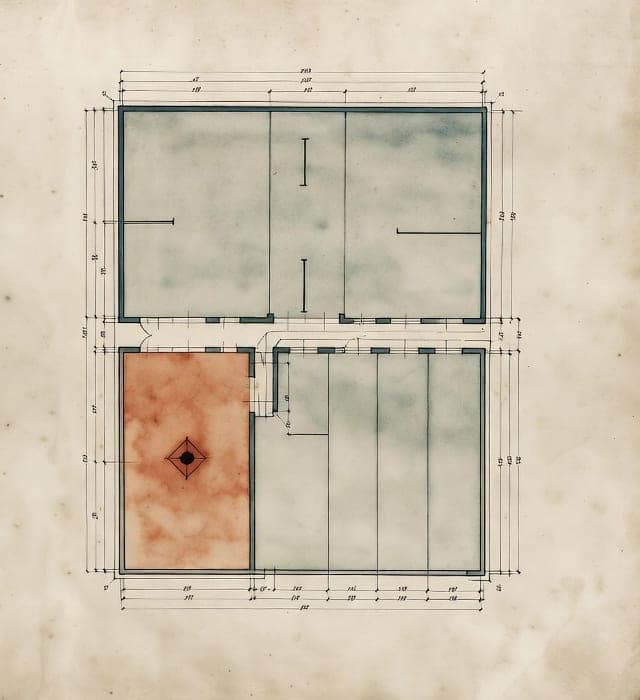
Property Record · REVA-0001Filed
Holding entity
Parcel 0001 SPV, LLC
Jurisdiction
Travis County, TX
Exemption
Reg D · 506(c)
Transfer rule
Verified holders only
Fractional units
1,000
Status
Compliant · on-chain

Illustrative record. Not a live offering.

Why it holds up

We didn't build around the rules. We built them in.

Fractional real estate that pays its holders is a security. That is settled law, not an opinion. Projects that dress it up as something else are the ones that end in enforcement actions. REVABlox treats property tokens as securities from the first line of code, so what an institution has to trust is simply what it can verify on-chain.

  • 01A separate legal entity holds each property
  • 02Investor eligibility is enforced by the token, not by paperwork
  • 03Offerings structured under Reg D and Reg S exemptions
  • 04Transfers to unverified wallets simply do not complete
  • 05Every action leaves a permanent, auditable record